Freehand: A Handwritten Font for Crafters and Creators
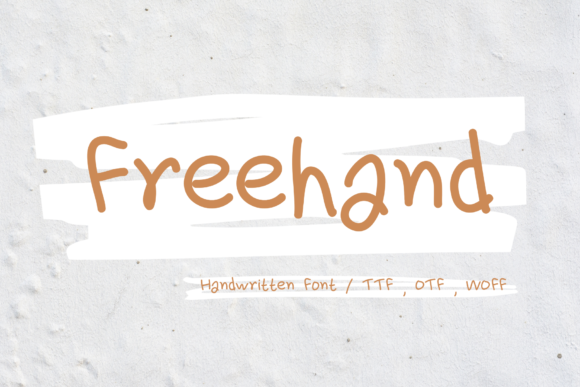
Welcome, fellow crafters and creators! Today, I'm excited to introduce you to Freehand, a charming and slightly sloppy handwritten font that brings a unique, natural touch to your designs. Whether you're making handmade labels, stickers, or invitations, Freehand is the perfect choice to add a personal, handcrafted feel to your projects.
The Charm of Freehand
Freehand is more than just a font; it's a creative asset that can transform your designs with its natural and unique style. Its slightly messy, yet endearing look makes it incredibly fitting for a wide range of projects. From wedding stationery to product packaging, this font adds a touch of authenticity and warmth that can make your creations stand out.
Practical Uses for Freehand
Let's dive into some practical ways you can use Freehand in your crafting and design projects:
- Handmade Labels and Stickers: Use Freehand for creating custom labels for your handmade candles, soaps, or jams. The font's natural look will give your products a personal, artisanal feel.
- Greeting Cards and Invitations: Design birthday, holiday, and wedding invitations with Freehand. Its handwritten style adds a warm, welcoming touch that guests will love.
- Wall Art and Decor: Create beautiful, inspirational wall art or farmhouse signs. Freehand's unique character will make your decor pieces truly special.
- Planner Pages and Journals: Add a personal touch to your planner pages, journal covers, and dividers. Freehand's readability and charm make it perfect for these detailed projects.
- Product Packaging and Tags: Elevate your product packaging with Freehand. Whether it's for boutique tags, mugs, shirts, or tote bags, this font will enhance the overall appeal of your items.
Readability and Presentation
While Freehand has a natural, handwritten look, it's also designed to be readable. This makes it suitable for both short phrases and longer text. Here are some tips for using Freehand effectively:
- For Cutting Machines: Test the font on your Cricut or Silhouette machine to ensure it cuts smoothly. Adjust the settings if needed to get clean, crisp lines.
- Small Stickers and Labels: Use Freehand for small stickers and labels, but keep the text brief to maintain readability. Avoid overcrowding the space.
- Printed Cards and Mockups: Preview your designs in printed form to check for clarity. Freehand should be legible even in smaller sizes, but always double-check before finalizing your project.
Font Pairing Ideas
To create a balanced and visually appealing design, consider pairing Freehand with other fonts. Here are some ideas:
- With a Clean Sans Serif: Combine Freehand with a clean, modern sans serif font for a contemporary yet personal look. This pairing works well for product labels and digital printables.
- With a Bold Display Font: Use a bold display font for titles and headings, and Freehand for subheadings and body text. This combination is great for creating eye-catching signage and wall art.
- With a Simple Serif Font: For a classic, elegant feel, pair Freehand with a simple serif font. This is ideal for wedding stationery and formal invitations.
Commercial Licensing and Practical Tips
When using Freehand for commercial projects, it's important to check the licensing terms. Ensure that the font is licensed for use in physical products, templates, printables, digital downloads, and merchandise. This will help you stay compliant and protect your work.
Additionally, explore the included styles, alternates, ligatures, and swashes to add variety and creativity to your designs. Freehand may also support multiple languages, which can be a great asset if you have an international audience.
In conclusion, Freehand is a versatile and charming handwritten font that can elevate your craft and design projects. Its natural style and readability make it a valuable addition to your creative toolkit. Happy crafting!